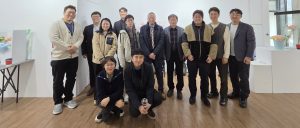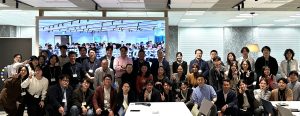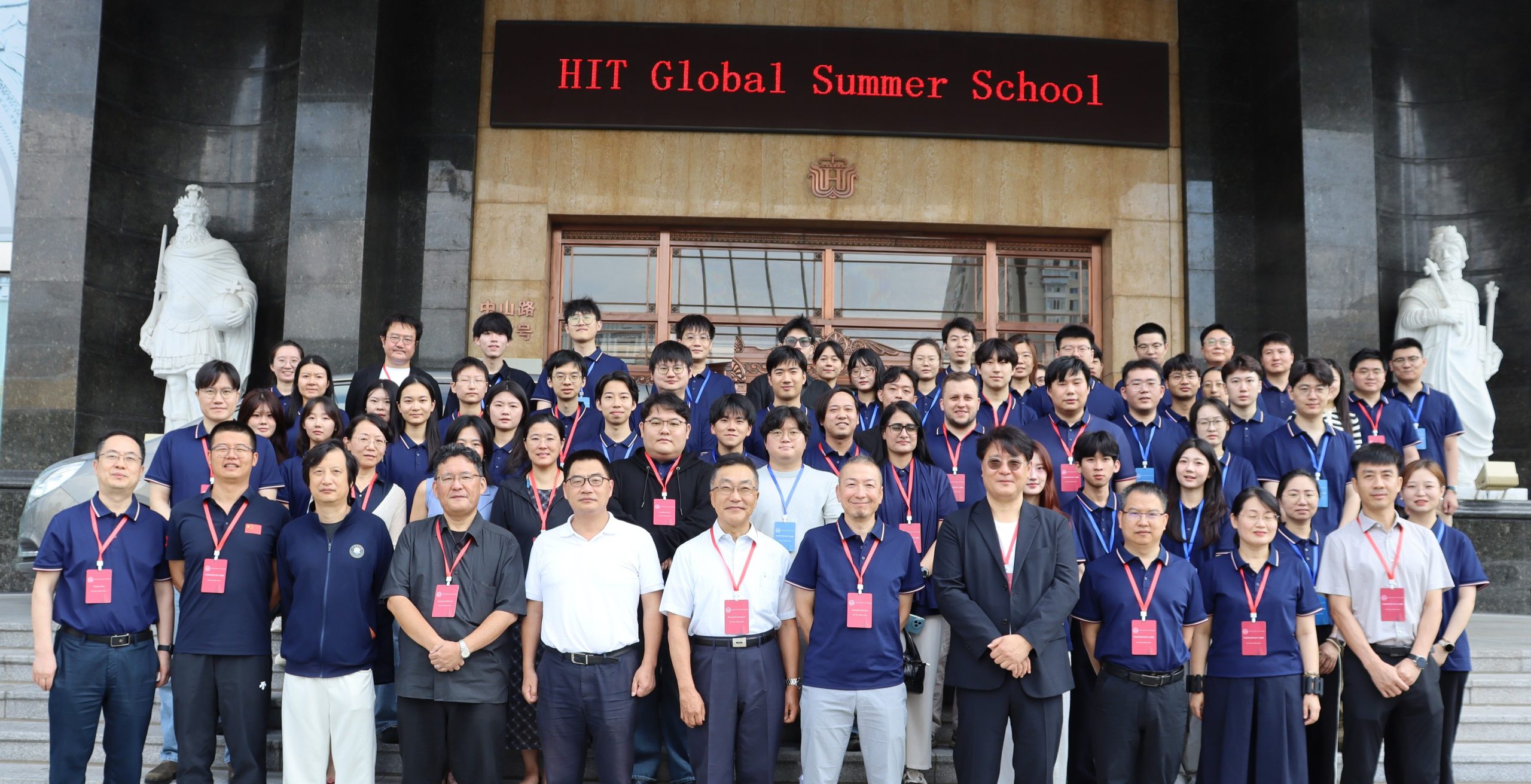
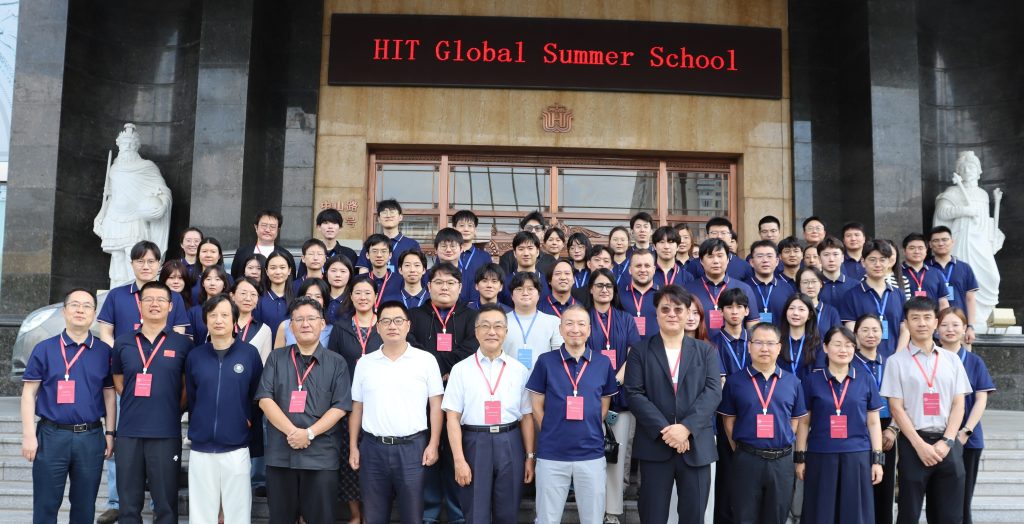
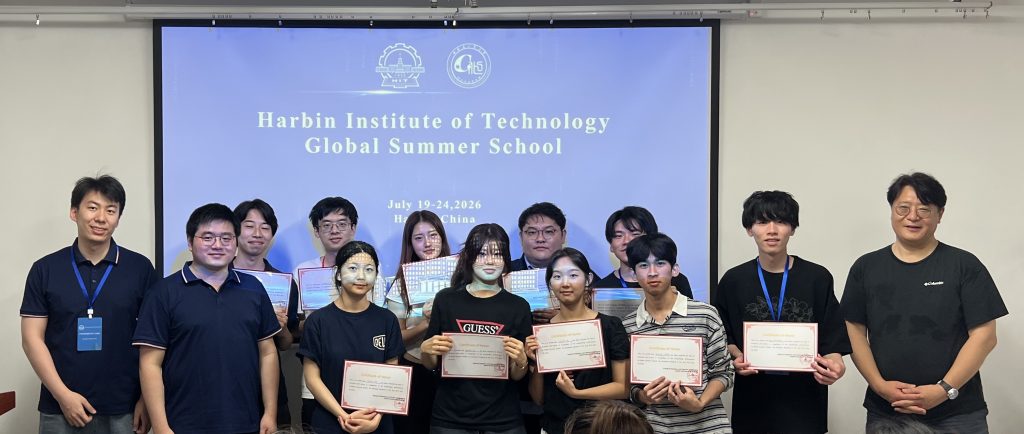
The China–Japan–Korea Foresight Global Summer School was held from July 19 to 24, 2026 at the New Paris Hotel in Harbin, China, with the aim of strengthening the research capabilities of graduate students and early‑career researchers in chemistry, biology, and biomedical engineering, and promoting international academic exchange. The program was hosted by the Harbin Institute of Technology (HIT).
The summer school brought together graduate students and early‑career researchers from universities and research institutes across China, Japan, and South Korea. Through lectures and hands‑on laboratory training led by leading researchers, participants were introduced to recent scientific advances. Focusing on emerging fields such as artificial cells and biomaterials, the program provided a platform for research exchange, promoted international collaborative research, strengthened research networks, and contributed to fostering the next generation of globally minded researchers.
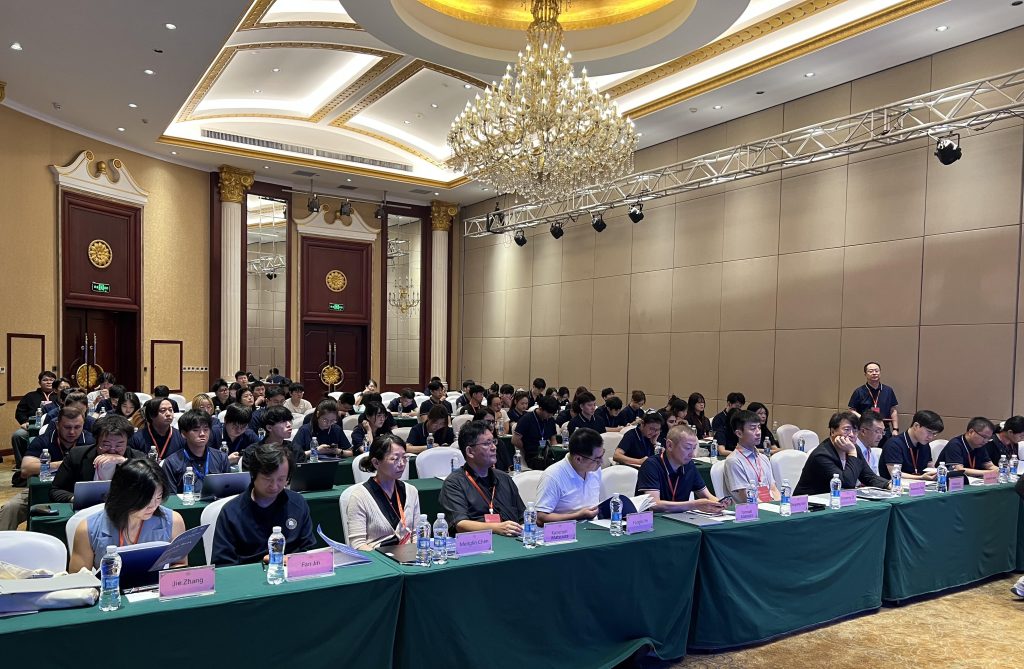
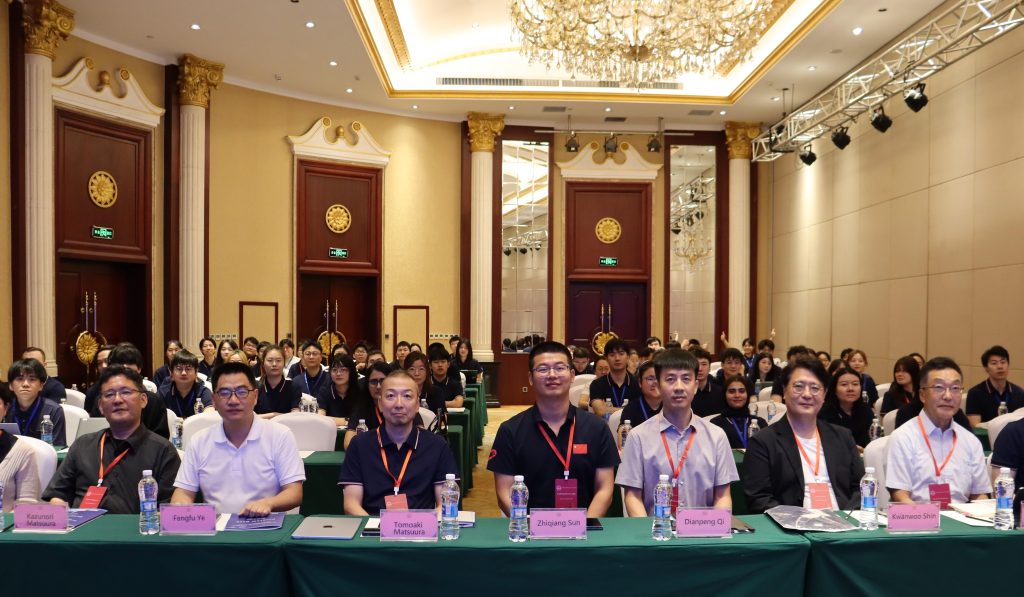
The program opened with welcoming remarks by Professor Kwanwoo Shin of Sogang University, followed by oral presentations by participants from the three countries. The presentations stimulated active discussions and the exchange of ideas on recent progress, current challenges, and future directions in artificial cell research.
The knowledge gained and the interactions developed through this summer school are expected to support future collaborative research and encourage new academic initiatives. The upcoming workshop scheduled to be held in Incheon, South Korea, this autumn is anticipated to offer further opportunities for in‑depth discussions and the development of new collaborative efforts.
Event Overview
- Date: July 19–24, 2026
- Venue: Harbin Institute of Technology (HIT), Harbin, China
- Presentation Format: Oral presentations
- Number of Participants: 33 participants in total (Japan: 11, South Korea: 13, China: 9)
| Institution | Participants | Number |
| Institute of Science Tokyo | Prof. × 1 PD × 2 PhD × 1 | 4 |
| Tokyo University of Agriculture and Technology | Sp. Asst. Prof. × 1 PhD × 1 M1 × 1 | 3 |
| Tottori University | Prof. × 1 Asst. Prof. × 1 PhD × 1 | 3 |
| Higashi Nippon International University | Prof. × 1 | 1 |
| Total | 11 |
Research Presentations
The titles of the research presentations by the Japanese participants are as follows.
| Toward self-replicating and evolvable artificial cells |
| Drug delivery to cells using artificial viral capsids |
| Design of Cytoskeleton-like Protein Assemblies toward Synthetic Cells |
| Resistive pulse sensing-based single detection and analysis of small extracellular vesicles using glass nanopipette |
| Photocontrol of liquid-liquid phase separation of RNA using photoresponsive peptides |
| 3D assembles of liquid marbles containing DNA computing systems in the gas phase |
| Enveloped Viral Replica Equipped with Spike Protein Derived from SARS-CoV-2 |
| Quantitative Analysis of the Dynamics of Gel-in-GUV System in Response to Osmolality |
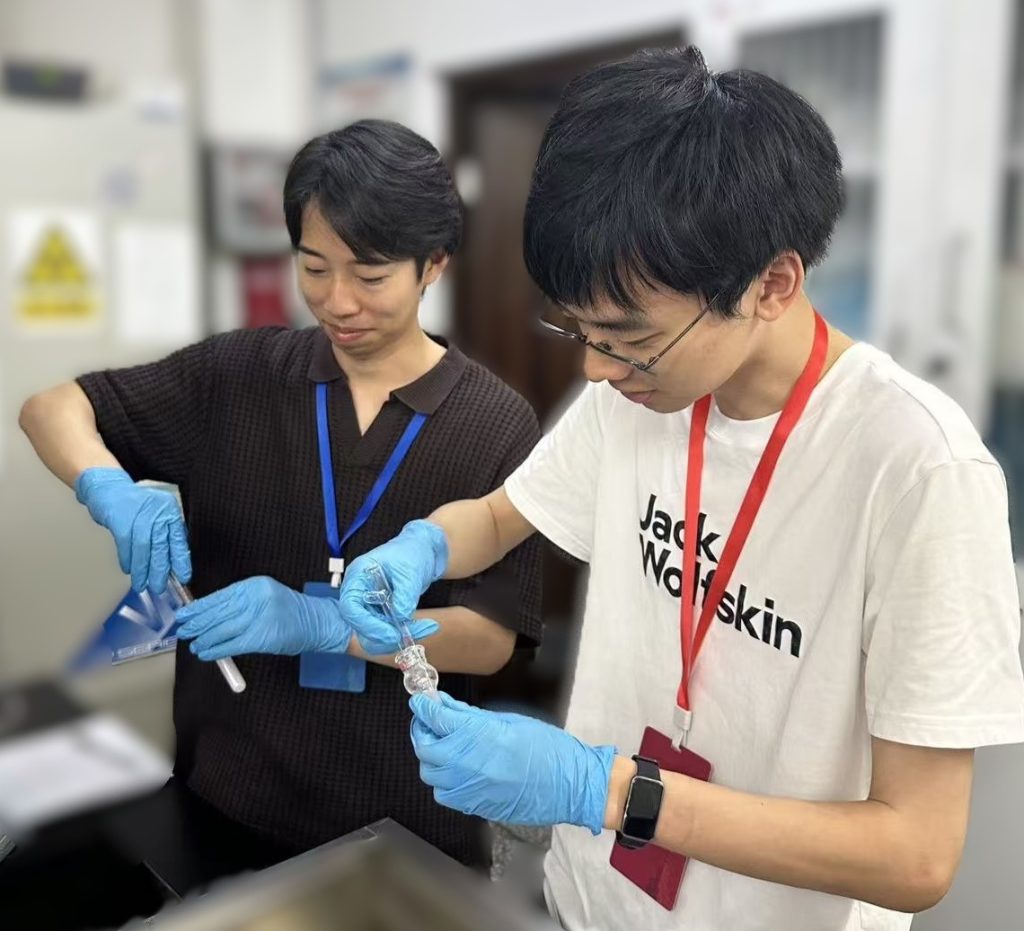
Experiments
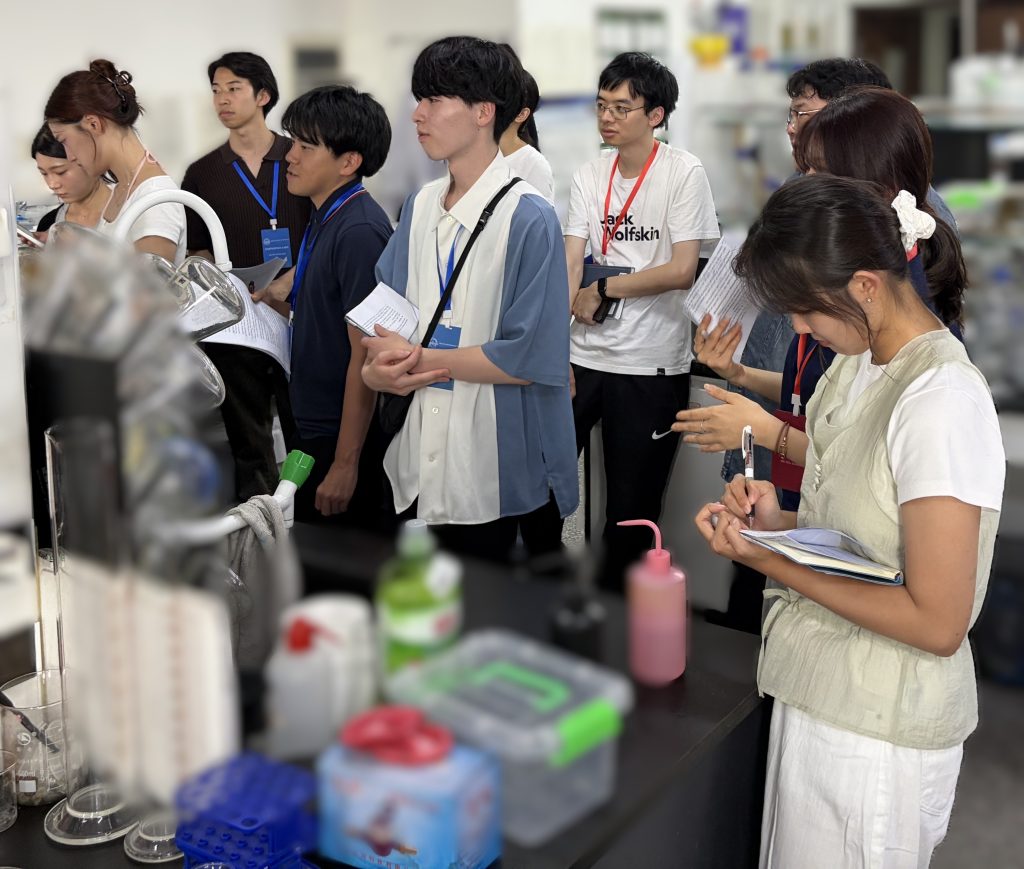
The participants were divided into two groups and carried out the following two experiments.
| Experiment A | Expression and Purification of 2-Keto-3-Deoxygluconate Aldolase |
| Experiment B | Isolation of Mitochondria for ATP generation |
Program Outcomes
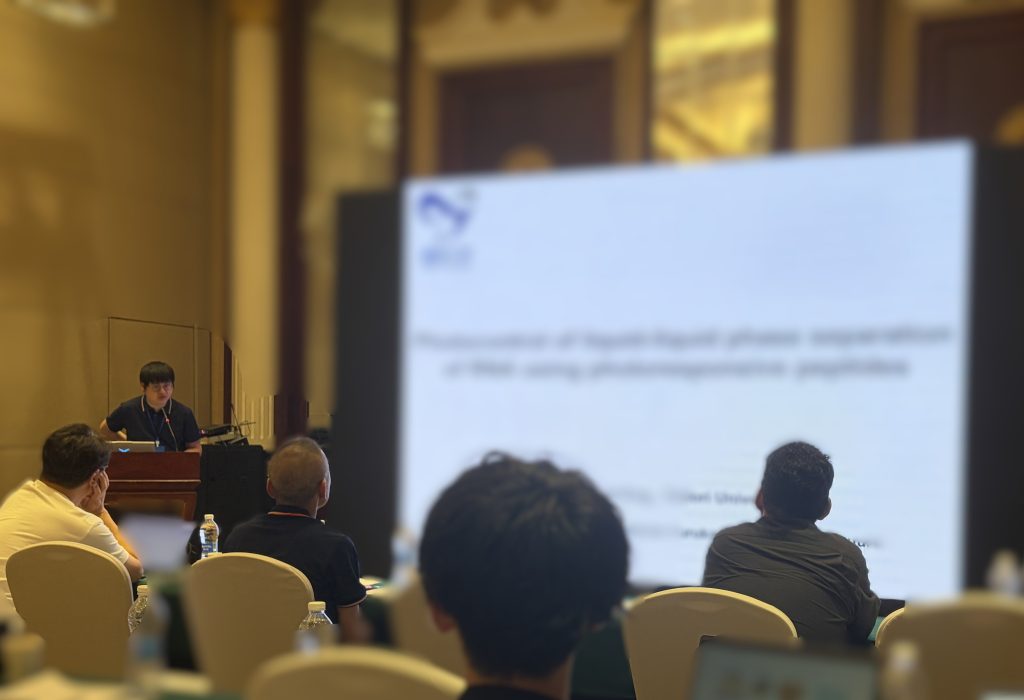
Mr. Bingxin Li, PhD Student, Tottori University
Through lectures on artificial cells, biomaterials, and phase separation, I gained new insights into innovative concepts and experimental approaches that broadened my understanding of the field. I also presented my PhD research and received valuable feedback from experts, which helped identify key areas for further investigation and suggested new experimental strategies.
The summer school significantly expanded my scientific perspective and strengthened my motivation to advance my research on photocontrolled LLPS. I will apply the knowledge and feedback gained through this program to my future studies and continue to develop the international research networks established during the event.